A worried middle-aged man sitting alone at home.

Why More and More Women in the U.S. Are Ending Their Relationships After 40—and Men Find Out the Real Reason Too Late

According to surveys and observations by relationship experts:

68-75% of long-term conflicts in couples are linked to problems in their intimate life

more than 60% of men admit that they didn’t notice the problem until it was too late

and about 1 in 7 women directly cite dissatisfaction as the reason for the emotional distance

But in most cases, this is not discussed directly.

A couple sitting far apart on a sofa in emotional distance.

It doesn’t happen all at once.

  • she touches you less often
  • she takes fewer initiatives
  • she seems tired more often
  • she says “not today” more often
  • intimacy fades
  • conversations become formal
  • you get the feeling that you’re just living next to each other

this isn’t a relationship anymore; it’s a habit.

A man lying awake in bed at night, looking worried.

According to surveys of women aged 35-55:

72% note that the quality of their sex life directly affects their emotional connection

64% say that when problems persist, they begin to drift apart

58% lose interest in their partner

and up to 41% consider breaking up if the situation doesn’t change

Yet only 1 in 5 couples discusses this openly.

The rest simply remain silent.

Until things reach a breaking point.

Most men think:

“It’s a crisis”

“She’s changed”

“She’s just tired of the relationship”

But research shows otherwise:

in more than 60% of cases, the problem begins with a decline in the man’s confidence and stability.

A doctor sitting in his office during a consultation.

According to medical studies:

After age 40, up to 52% of men experience occasional difficulties

After age 50, this figure rises to 65-70%

After age 60, more than 75%

At the same time:

73% of men do not see a doctor

68% do not even discuss it with their partner

57% simply ignore the problem until the very last moment

We’re talking about situations where:

the results are inconsistent

“it works every other time”

it’s hard to maintain the same level of performance

there’s a fear of failure

According to surveys:

more than 61% of men start avoiding intimacy

about 47% completely lose the initiative

and up to 39% prefer “not to start at all”

A man standing indoors and looking directly at the camera.

This turns into a vicious cycle:

problem → stress → fear → avoidance → deterioration

And here’s the key point:

a woman doesn’t see the “physiology”

she sees a lack of desire and engagement

And she concludes:

“he’s no longer interested”

A man sitting at a table and looking at pills in his hand.

What most people do:

put it off

ignore it

hope it will “go away on its own”

According to statistics:

62% of men do nothing for the first 6–12 months

49% seek a solution only after a serious conflict

And by then, it’s often too late.

The first thing people turn to is Viagra.

And that makes sense.

These medications:

work quickly

provide consistent results

restore confidence

That’s exactly why they’ve become the standard.

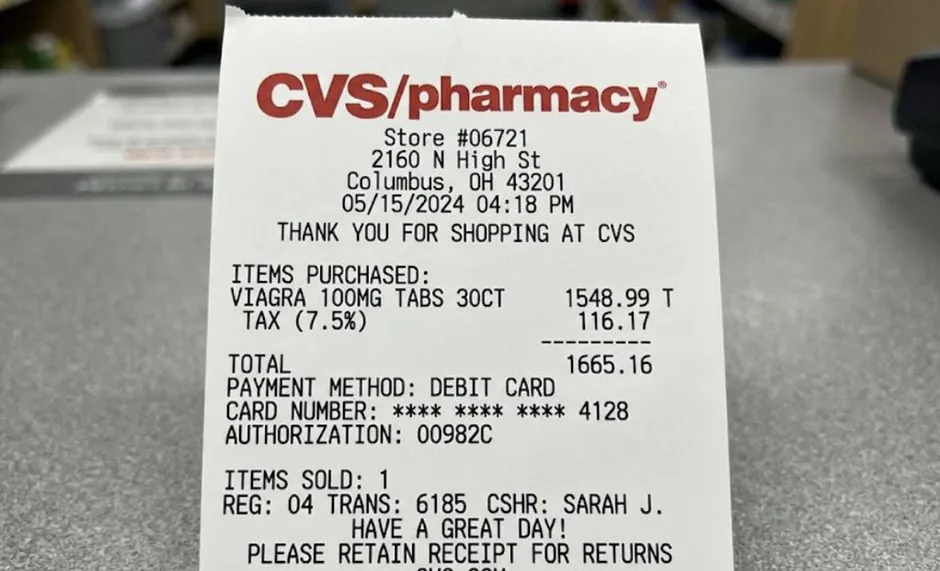
A pharmacy receipt showing the price of purchased medication.

But here’s the reality.

In the U.S.:

Average price: $70–$120 per pill

Regular use: $1,000–$1,500 per month

And that means:

It’s expensive

It’s inconvenient

It’s not suitable for long-term use

According to surveys:

over 55% of men avoid over-the-counter solutions specifically because of the price

48% find them inconvenient to use

And this raises a logical question:

If the solution works—

why should we pay several times more for it?

Before delving into specific solutions, we looked into the options most commonly chosen today by men facing a similar situation.

Based on a small survey of our readers and publicly available market data, we observed one clear trend:

an increasing number of men are turning away from expensive prescription drugs in favor of more affordable alternatives that work in the same way.

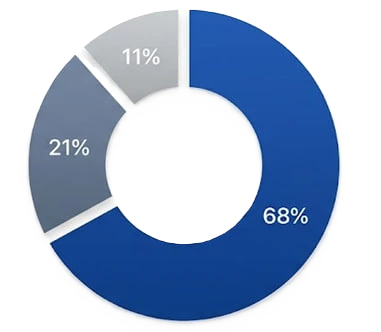
A chart with survey results showing 68%, 21%, and 11%.

📊 Survey Results:

68% — choose more affordable alternatives instead of brand-name drugs

21% — continue to buy at the pharmacy, regardless of the price

11% — do nothing and put off making a decision

The main reason for this choice is obvious —

the price difference for products with similar effects can vary significantly.

At the same time, most products on the market work on the same principle;

the only differences are in form, price, and ease of purchase.

Let’s take a look at the most popular option that men are choosing today.

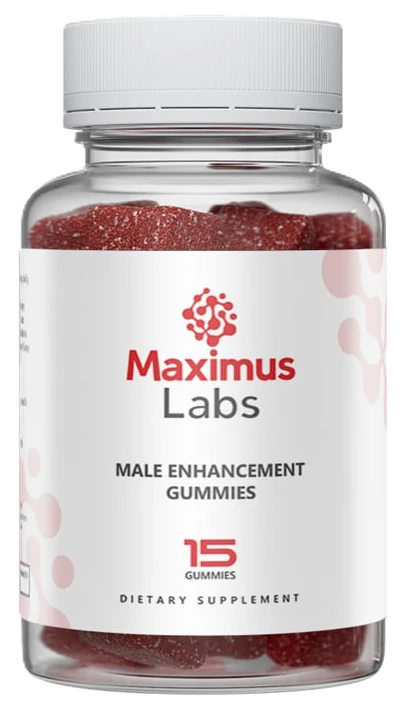
A bottle of Maximus Labs Male Enhancement Gummies.

A solution for fast results—when “here and now” matters

This option is ideal for situations where you need a predictable and consistent effect in a short amount of time.

The formula works on the same principle as over-the-counter sildenafil-based medications,

but without the extra cost of the brand name or the “pharmacy markup.”

🔹 What does it offer?:

Results within a short time after taking it

Consistent performance without “glitches”

Control over the situation

Confidence that everything will go as planned

🔹 Why do people choose him specifically?

In the U.S., many men overpay at pharmacies like CVS or Walgreens, where a single pill can cost $80–$120 or more.

Online services have lowered prices, but even there, the cost often remains at $5–$10 per dose.

This option offers the same mechanism of action, but without paying extra for the brand, packaging, and marketing.

🔹 What men say

“I just stopped worrying about that moment. Before, there was only one thing on my mind—whether I’d succeed or not. Now, that’s gone.”

“The most important thing is stability. No surprises. You just know that everything will be fine.”

“I feel like I’m in control. No need to make excuses or put things off.”

“She noticed the difference right away. Without even saying a word.”

Comparison: Pharmacy vs. Modern Alternatives

Criteria Local Pharmacy Alternative Option EDITOR'S CHOICE
Price $70–$120 per tablet from $2–$10 per dose
Purchase Process In-store visit required Online in a few minutes
Privacy Personal questions, prescription needed No unnecessary conversations
Accessibility Limited, prescription required Easily accessible
Convenience Travel + waiting time Order from home
Flexibility Limited options Multiple choices available

In recent years, dozens of solutions have appeared on the market—ranging from over-the-counter medications to online services and alternative options.

Each has its own characteristics:

varying onset times

varying duration of effect

varying costs

and, importantly, varying physiological responses

Therefore, there is simply no one-size-fits-all solution that works for absolutely everyone.

Like any other publication, we do not engage in direct advertising or the sale of such products.

But if you recognize yourself in this article and are actually facing similar situations,

it makes sense to at least explore which options might be right for you.

That’s why we’ve made a short quiz available to help you determine:

which type of solution is right for you

what you should look out for

and which option is best for your specific situation

It takes less than a minute,

but it gives you an idea of where to start and how to make the right choice.

👇

Take a quick quiz and find out which option is right for you

Check Availability Now

Takes 60 seconds 100% confidential Secure checkout

Takes less than 60 seconds • 100% confidential

Reader comments:

Mark D.

I didn’t expect to see this today, but it honestly feels like this was written about me. Everything started exactly the same — first small changes, then distance… and now I barely recognize what our relationship has become.

David R.

This hit harder than I thought. I kept telling myself it’s just stress, just work, just a phase… but reading this, I realize I’ve been avoiding the real issue for a long time.

James L.

The part about “avoiding instead of initiating” — that’s exactly it. I didn’t even notice when it started happening. You just slowly begin to pull away without admitting it to yourself.

Michael T.

I thought I was the only one dealing with this. You don’t really talk about it with anyone, so it just stays in your head. This article describes it way too accurately.

Andrew P.

My wife never said it directly, but I could feel the change. Less interest, less connection. Reading this made a lot of things click for me.

Robert K.

It’s not even about age. I’m 47 and already noticed the same pattern. The worst part is the doubt — once it’s in your head, it just keeps getting worse.

Thomas W.

I kept ignoring it thinking it would fix itself. It didn’t. If anything, it just made things more complicated between us.